
New Orleans
The birthplace of jazz, with wrought-iron balconies, Creole and Cajun cooking, historic streetcars and the Mississippi rolling past the French Quarter.
Find your flight to New Orleans
Find low fares and travel to your ideal destination.
New Orleans hotels
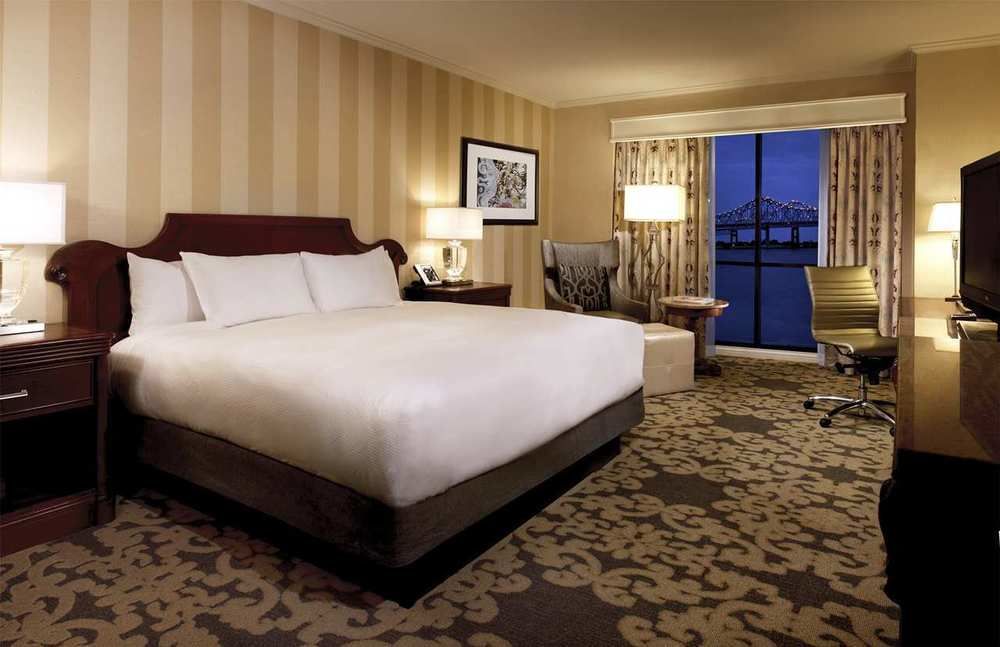
French Quarter, CBD and Garden District stays for 3 nights and 2 adults, refreshed automatically.





Essential neighborhoods and outings
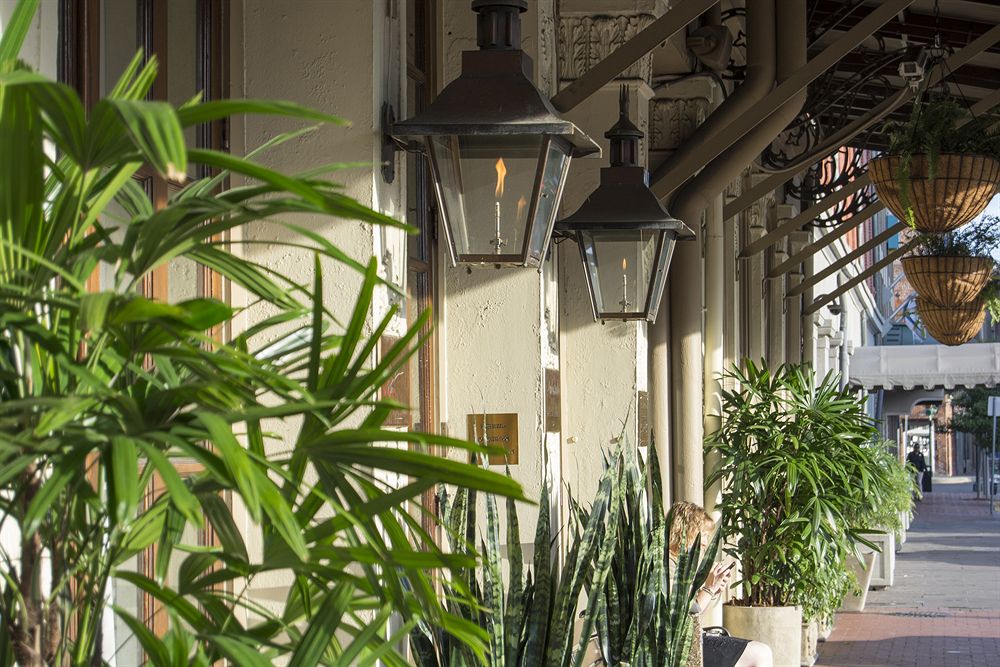
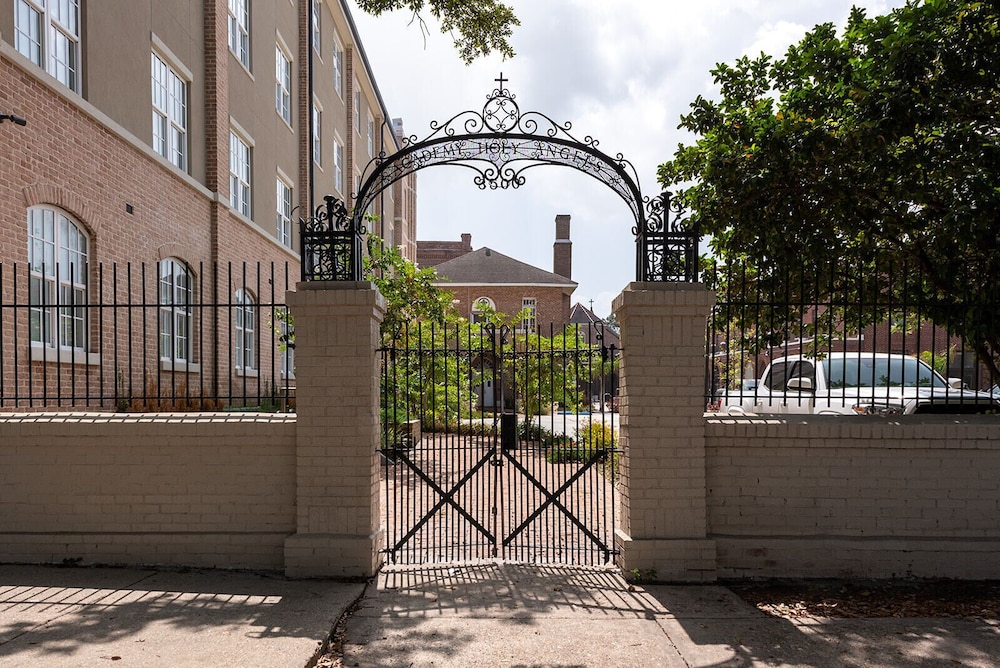
From the square in front of the cathedral to Marigny's jazz clubs and mansions under the oaks: New Orleans is made for walking.

- Feb–MayBest weather (also Oct–Nov)
- Feb or MarMardi Gras (date changes yearly)
- Apr–MayJazz Fest, two weekends
- 1718Year founded
New Orleans up close
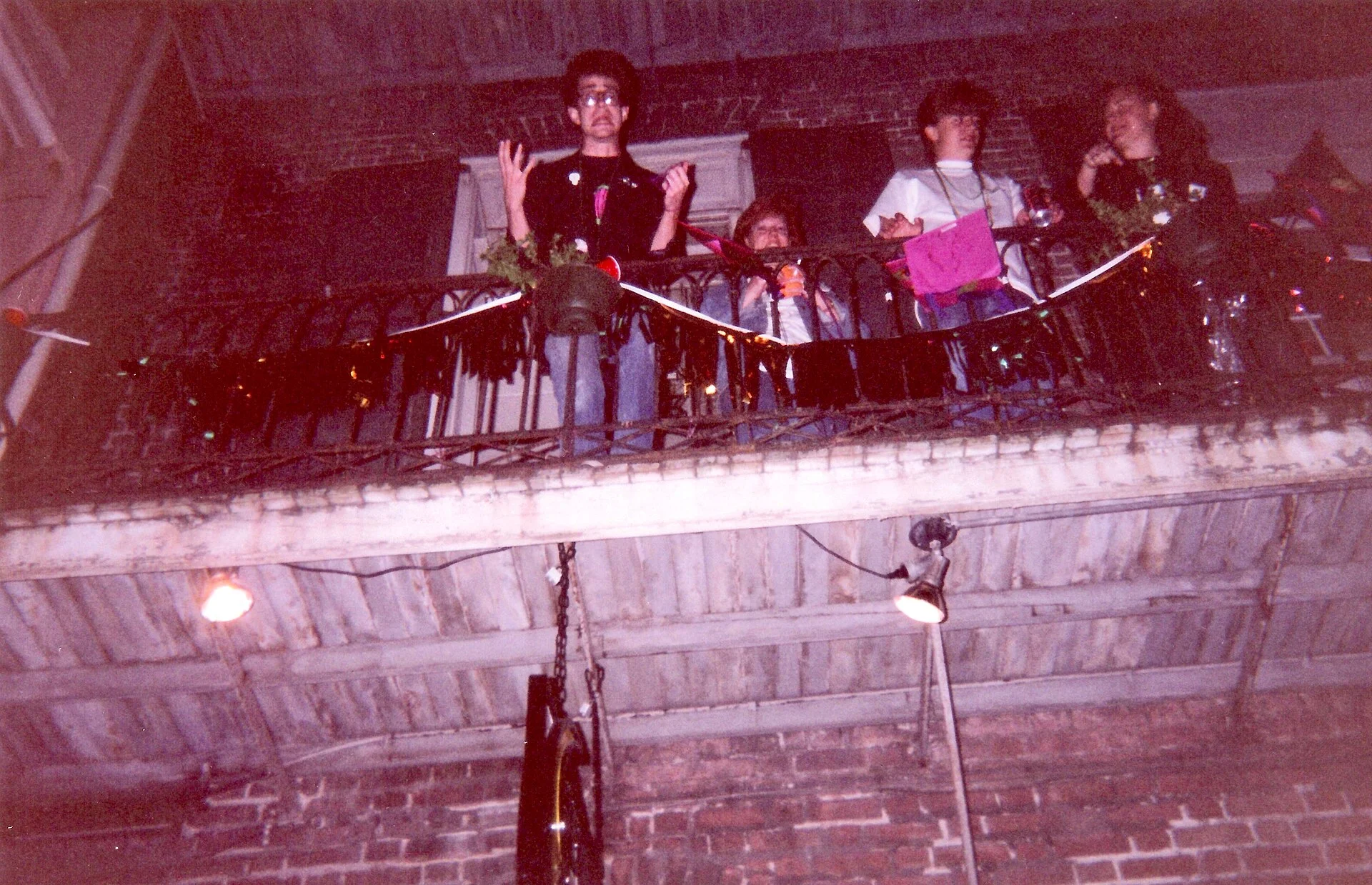
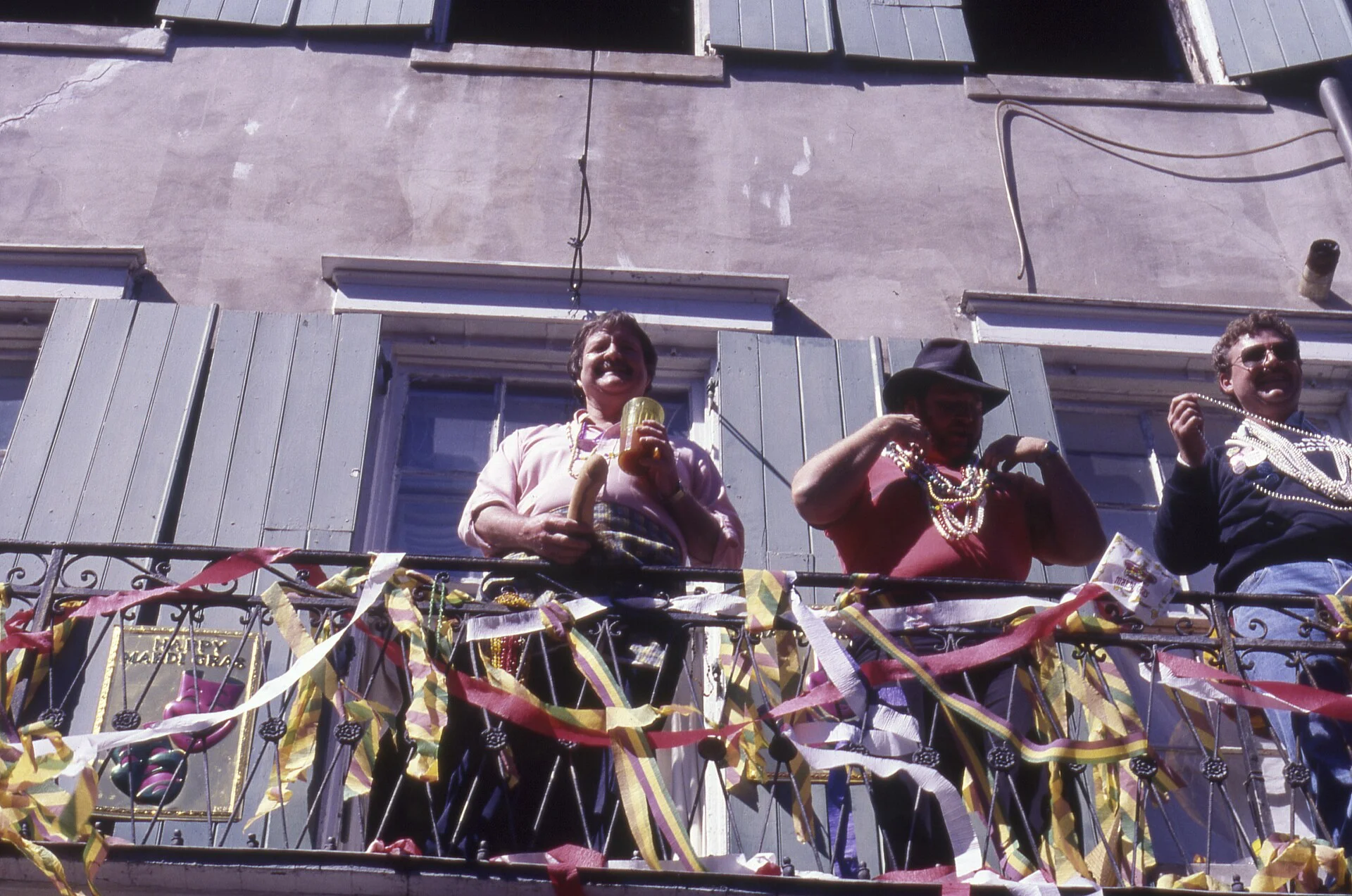
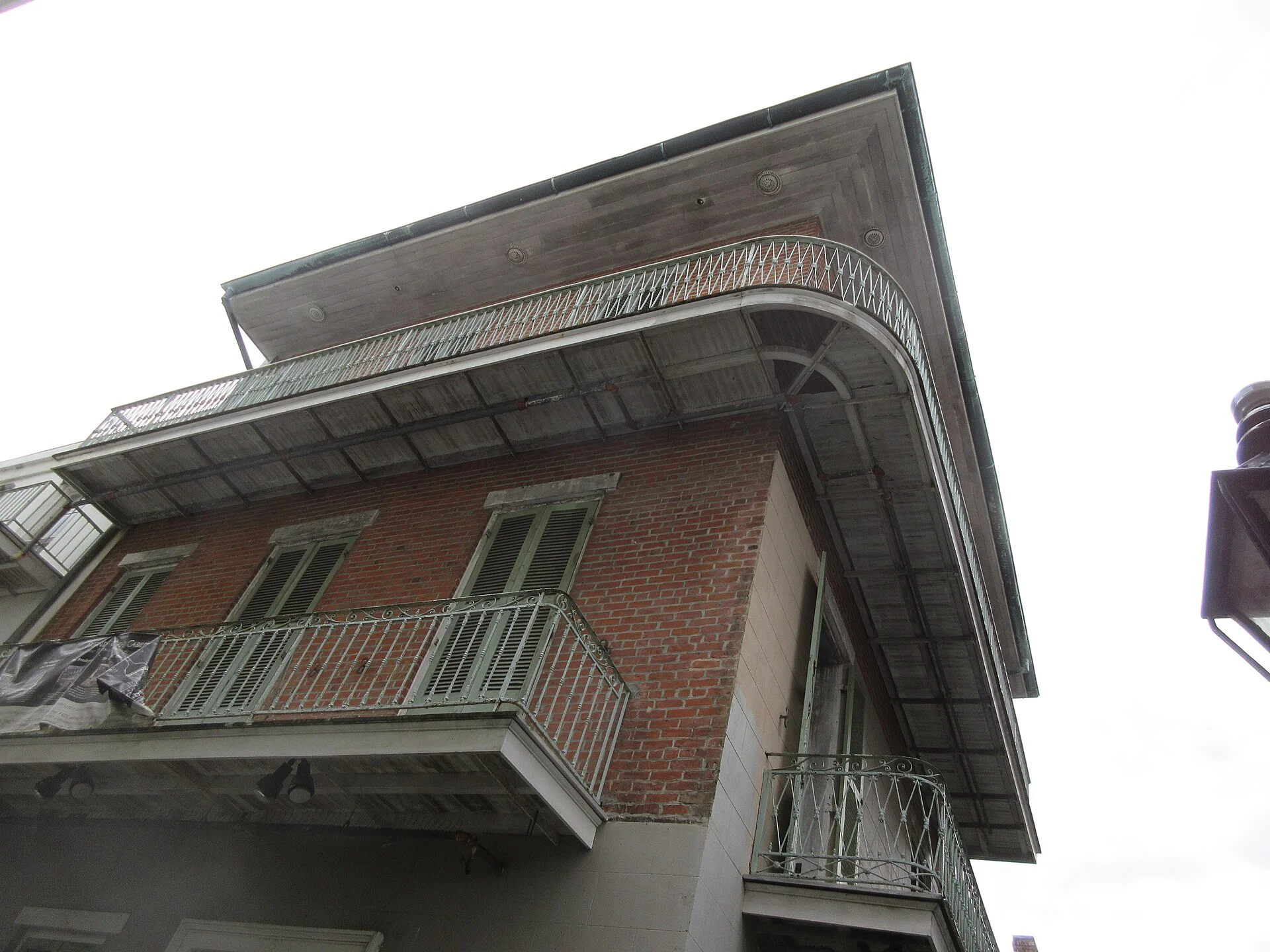
Iron balconies, Creole facades and a party leaning out of every window.
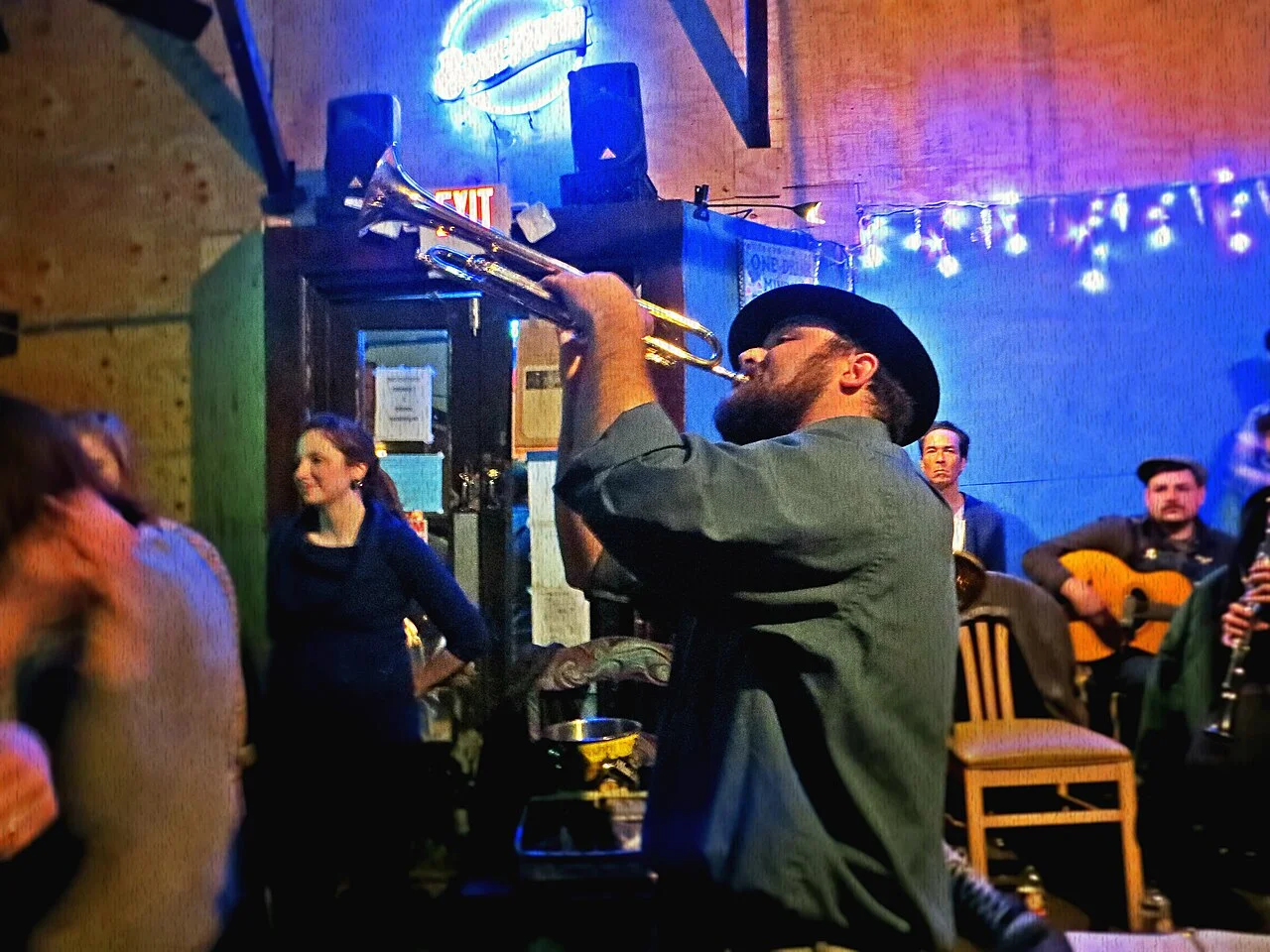
- A night on the balcony · Infrogmation of New Orleans (CC BY-SA 4.0)
- Mardi Gras balcony · Sydney Byrd for US National Park Service (Public domain)
- Wrought-iron balconies · Infrogmation of New Orleans (CC BY-SA 4.0)
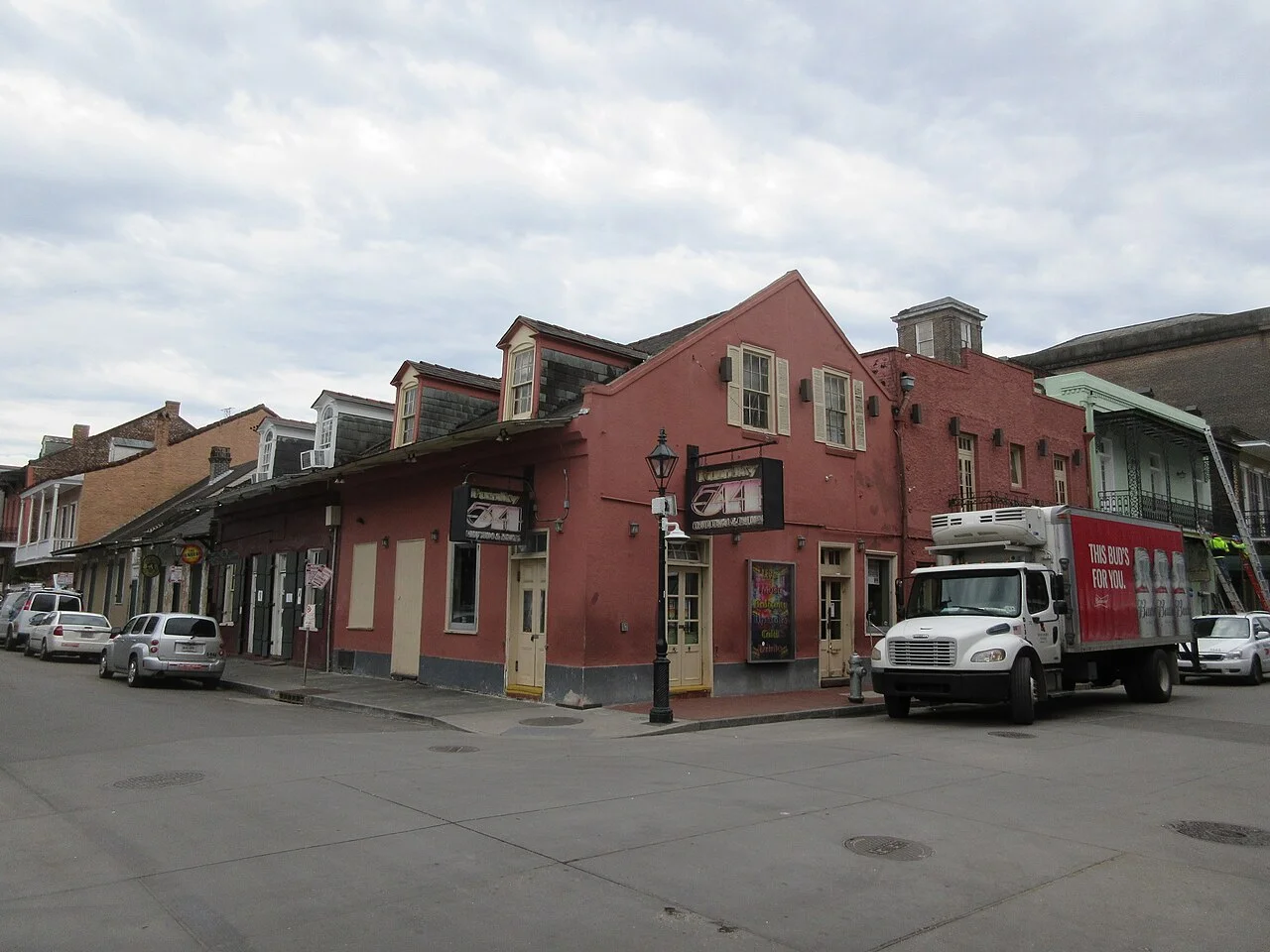
- French Quarter corner · Infrogmation of New Orleans (CC BY-SA 4.0)
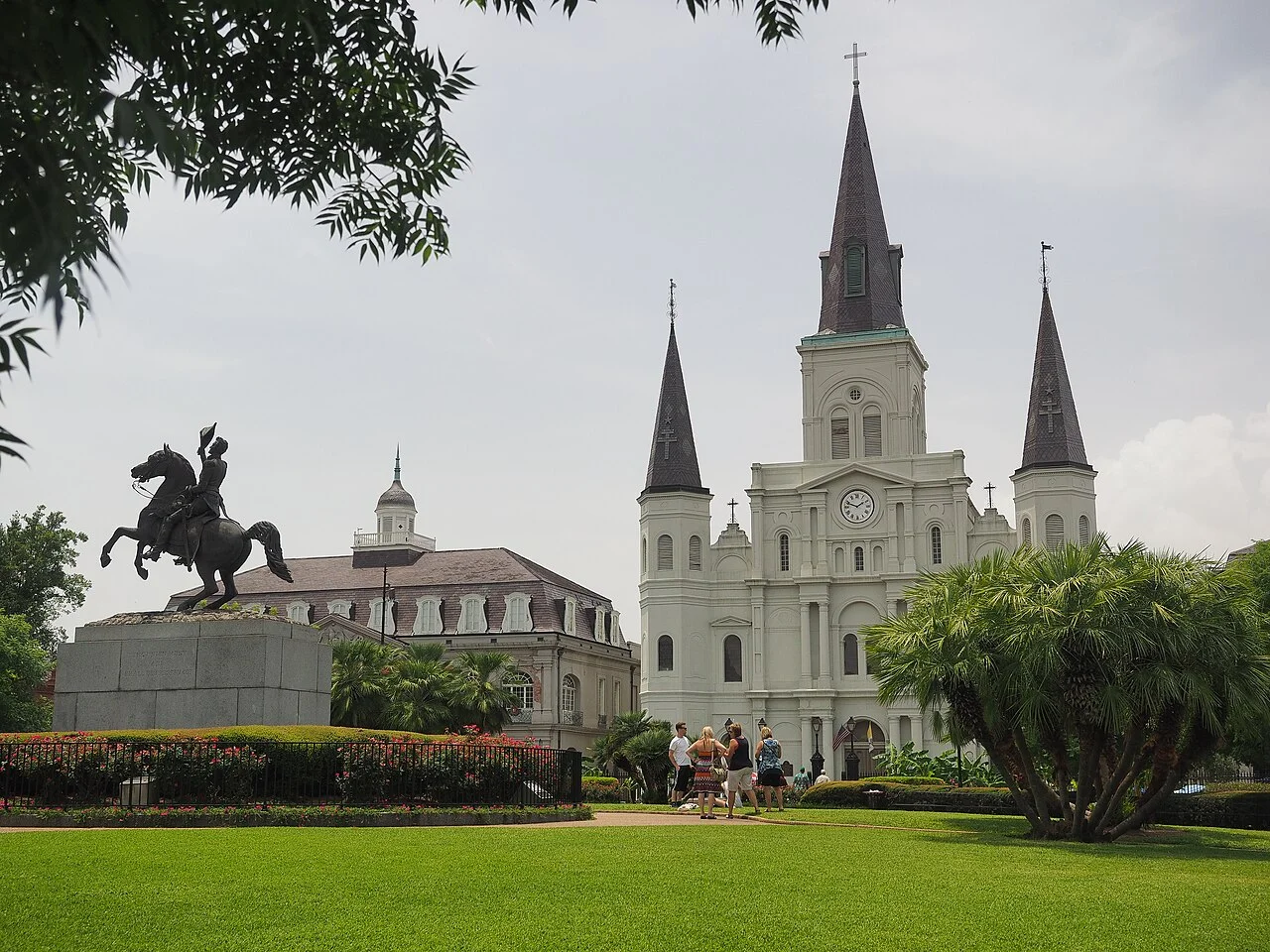
- Jackson Square and the cathedral · Brandon (CC BY 2.0)
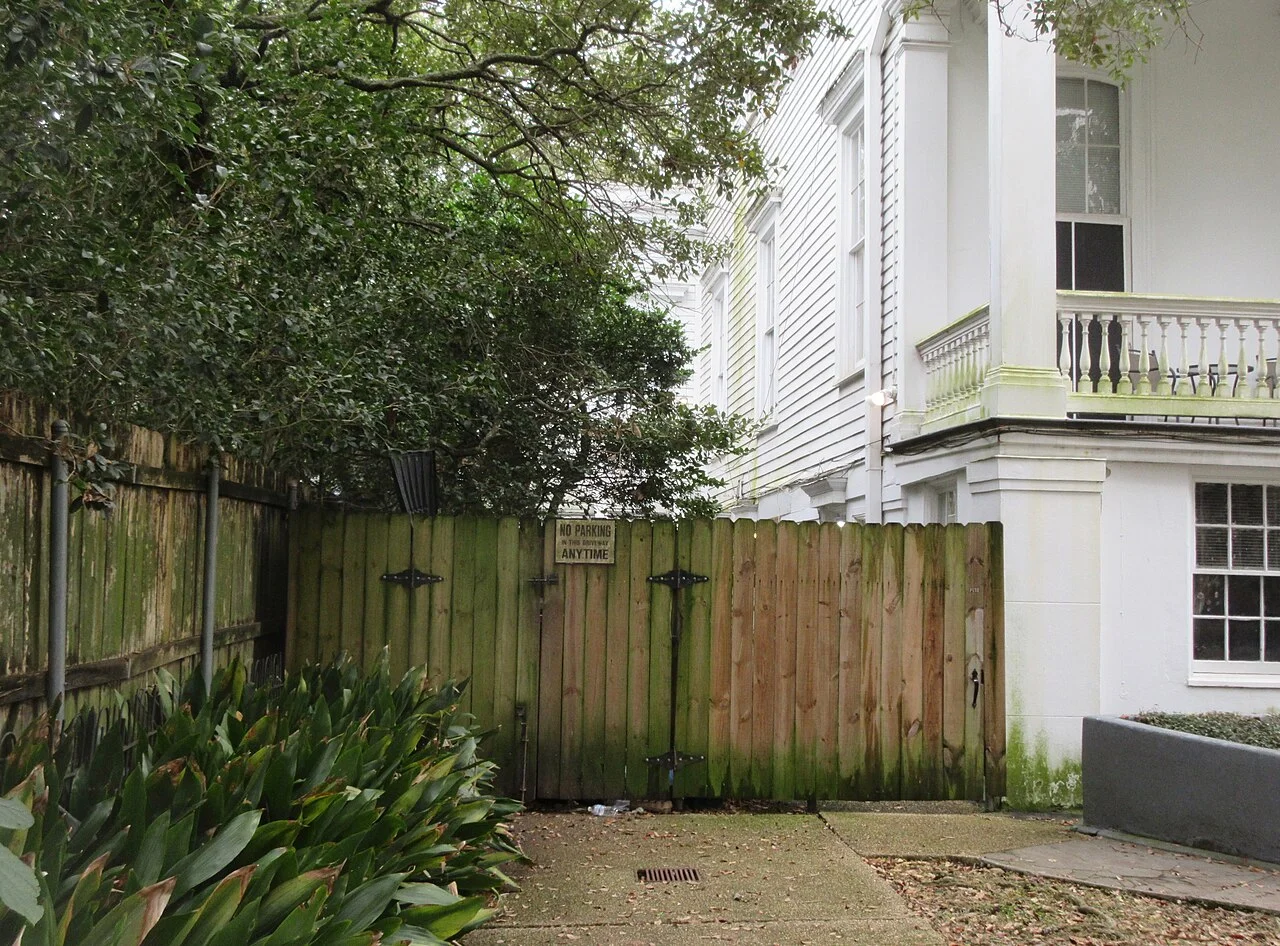
- Garden District home · Infrogmation (CC BY-SA 4.0)
New Orleans FAQ
When to go, how to get there, where to sleep and what to eat in the city of jazz.
When is the best time to visit New Orleans?
February through May, plus October and November, bring pleasant weather and a packed festival calendar. Summer is very hot and humid with frequent storms, and hurricane season runs June through November. Hotels fill up and prices jump during Mardi Gras and Jazz Fest, so book months ahead.
When is Mardi Gras, and what's it like?
Carnival season starts on January 6 and builds to Fat Tuesday, which falls in February or early March depending on the date of Easter. In the final two weeks there are parades almost daily on St. Charles Avenue and other routes, with beads and trinkets tossed from the floats. Watching from the street is free.
Which airport do I use, and how do I get downtown?
Louis Armstrong New Orleans International (MSY) is in Kenner, about 25 to 30 minutes by car from the French Quarter. There are flat-rate taxis to downtown, ride-hailing apps and a cheaper public bus. From Mexico you'll usually connect once, for example in Houston or Dallas.
What documents do I need if I'm traveling from Mexico?
A valid passport and a US visa. If you connect in another US city, you'll clear immigration and customs at your first point of arrival, so leave enough time for your connection.
Which neighborhood should I stay in?
The French Quarter puts everything within walking distance, though Bourbon Street gets loud at night. The CBD and Warehouse District, across Canal Street, have larger hotels and are usually a bit calmer. Marigny suits jazz lovers, and the Garden District has guesthouses along the St. Charles streetcar line.
What local dishes should I try?
Beignets with café au lait, gumbo, jambalaya, shrimp or oyster po'boys, red beans and rice and, in spring, a crawfish boil. Creole and Cajun cooking share ingredients but have different roots, so try both.
How do I get around?
The French Quarter and Marigny are easy on foot. The St. Charles streetcar, one of the oldest operating streetcar lines in the world, runs to the Garden District and Uptown, and the Canal Street line links to downtown. You don't need a car, and downtown parking is expensive.
Where can I hear live jazz?
Frenchmen Street in Marigny packs clubs with live music every night, and many have no cover if you order a drink. Preservation Hall in the French Quarter hosts traditional jazz sets, and street musicians play around Jackson Square and Royal Street by day.
What precautions should I take?
As in any big city, stick to busy, well-lit streets at night, take a taxi or ride-hail for longer trips after dark and watch your belongings in crowds. In summer, stay hydrated and take the heat seriously.
Keep your New Orleans flights and hotel on your phone and check your booking anytime with the Ticketón app.


